
Imagine blood flow to part of your brain suddenly gets interrupted for a short time. That’s what a transient ischemic attack or TIA is. Doctors often call it a “mini-stroke,” but it’s really more like a serious warning sign. The symptoms come on fast, then go away completely on their own, usually within minutes or an hour. The key difference from a full stroke? A TIA doesn’t leave permanent damage. Still, it’s your body telling you loud and clear that a real stroke could be coming if you don’t act.
What Actually Happens During a TIA
When you’re looking at the transient ischemic attack (tia) basics, it’s usually a small blood clot or piece of plaque that temporarily blocks an artery feeding the brain. Brain cells are extremely sensitive; they start complaining the moment oxygen runs low. Fortunately, the blockage almost always clears quickly, and blood flow returns to normal. That’s why symptoms disappear, and no lasting harm is done. By definition, everything resolves within 24 hours (and again, most TIAs are over in under an hour).
The Warning Signs You Can’t Afford to Miss
These symptoms hit suddenly; that’s the big clue. You might notice:
– Weakness or numbness on one side of the body, especially the face, arm, or leg – Trouble speaking or understanding speech, slurred words, or mixing up words – Sudden vision changes, blurring, double vision, or losing sight in one or both eyes – Dizziness, loss of balance, or trouble walking – A severe headache that comes out of nowhere
If any of this sounds familiar, don’t wait it out. Even if things seem better five minutes later, you need to treat it as an emergency.
Why a TIA Is Such a Big Deal
Here’s the part that usually gets people’s attention: about one in three people who have a TIA will go on to have a major stroke often within the next year, and sometimes within the first 48 hours. Doctors don’t mess around with TIAs for precisely this reason. Think of it as your brain waving a red flag and giving you a heads-up that something in your blood vessels needs urgent attention.
Who’s Most at Risk?
The usual suspects raise your odds: high blood pressure, high cholesterol, diabetes, smoking, being overweight, and not getting enough exercise. Age matters too, as the risk climbs after 55. A family history of stroke or TIA, or having an irregular heartbeat (atrial fibrillation), also puts you higher on the list.
What to Do If It Happens
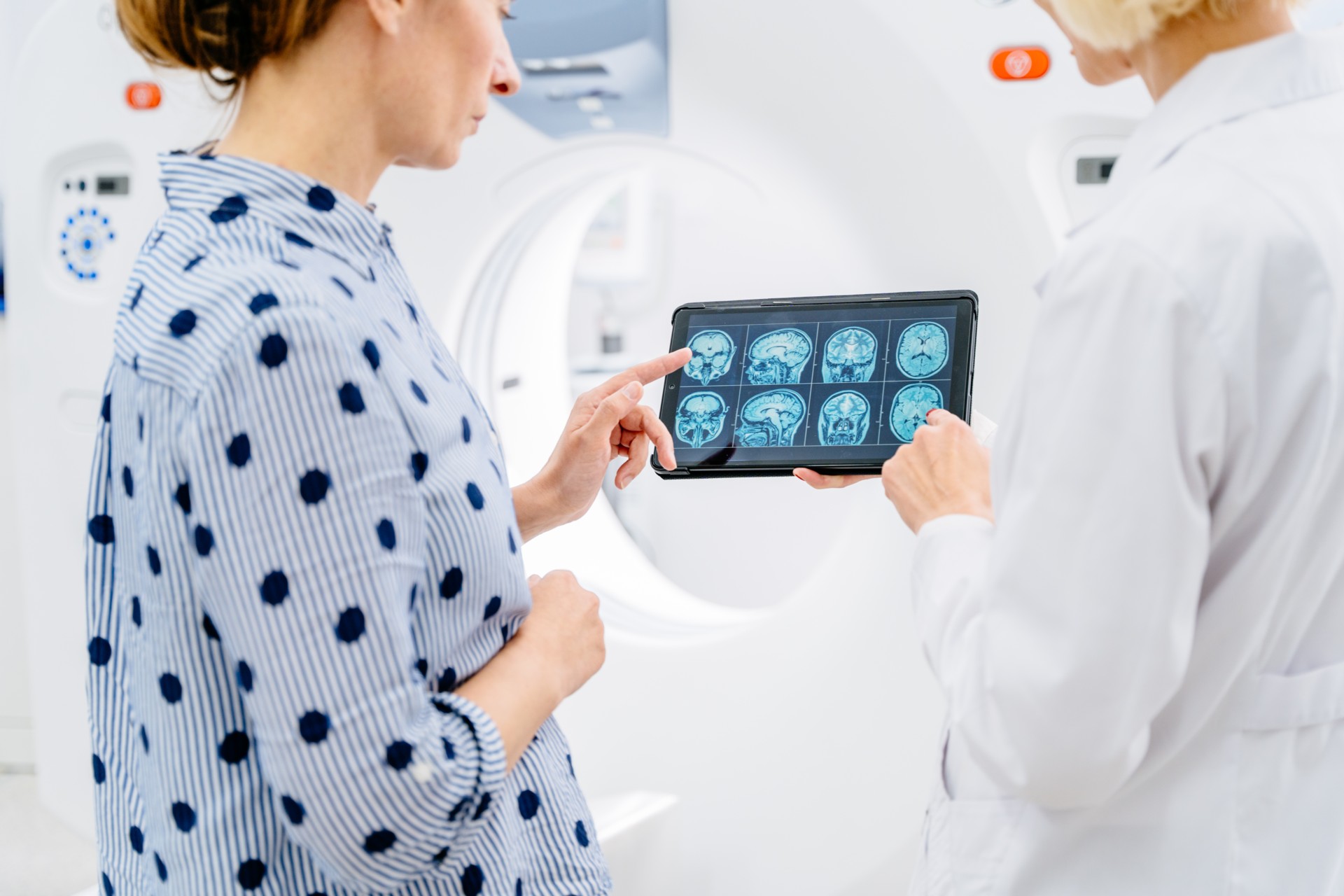
If you or someone near you has these symptoms, even if they’re already fading, call 911 right away. Do not drive yourself. Seriously. Every minute counts, even when symptoms seem to vanish. In the ER, doctors will run scans of your brain and blood vessels, check your heart, and figure out exactly what caused it.
Treatment usually starts with medications to prevent clots, lower blood pressure, control cholesterol, or steady an irregular heartbeat. Just as significant are the lifestyle changes: quitting smoking, eating better, moving more, and keeping stress in check. None of this is optional if you want to lower the chances of a full stroke down the road.
A TIA can be frightening, no question. But you can also consider it as a wake-up call, you’re lucky to get. Take it seriously, follow through with the doctors, and you can dramatically improve your odds of staying stroke-free.
